

What Actually Hydrates You Best? Water, Electrolytes, and Modern Hydration Explained
Hydration Is Not Just About Drinking More Water
When people feel tired, sluggish, or foggy, the usual advice is simple: drink more water.
But many people already drink water throughout the day and still experience fatigue or headaches. The issue often isn’t the amount consumed, it’s how the body absorbs and uses fluid.
Understanding hydration means understanding absorption, not just intake.
How Hydration Actually Works
Hydration depends on fluid entering the bloodstream and reaching cells.
For this to happen efficiently, the body needs a balance between:
- water
- sodium
- potassium
- other electrolytes
These elements regulate fluid movement across cell membranes. Without them, much of the fluid passes through the body without being fully utilized.
Why Plain Water Sometimes Isn’t Enough
Water hydrates, but absorption efficiency varies based on conditions.
When large amounts of plain water are consumed quickly:
- the body dilutes electrolytes
- kidneys remove excess fluid
- hydration may be temporary
This is why people can drink frequently yet still feel dehydrated later.
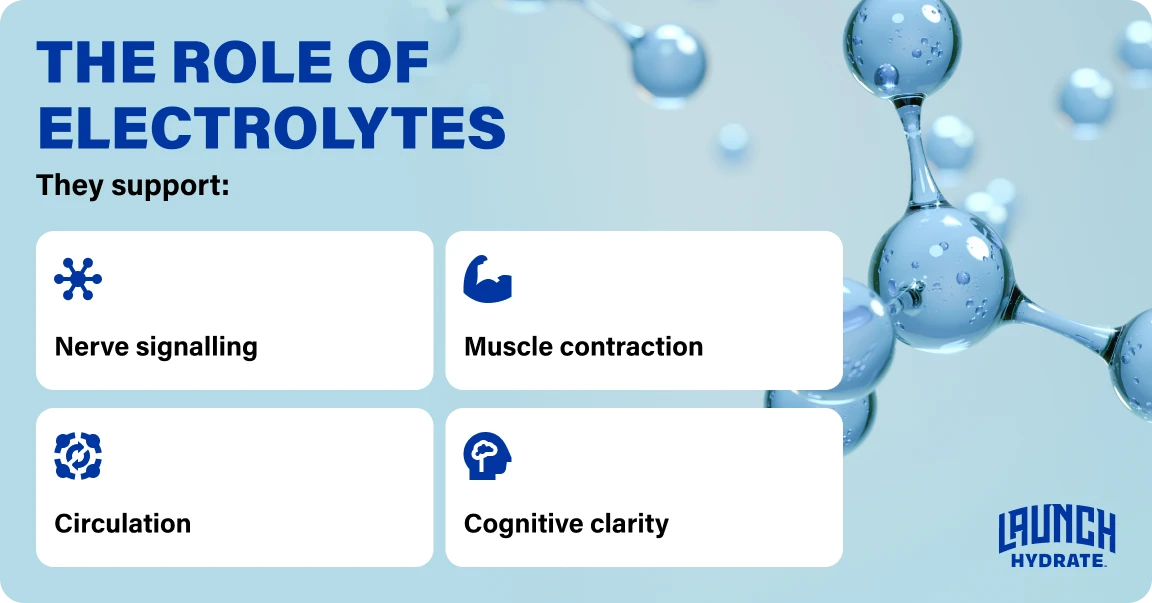
The Role of Electrolytes
Electrolytes help retain and distribute fluids inside the body.
They support:
- nerve signaling
- muscle contraction
- circulation
- cognitive clarity
Balanced fluid intake improves how long hydration effects last rather than just how fast thirst disappears.
Comparing Hydration Sources
Water
Best for maintaining baseline hydration throughout the day.
High Sugar Beverages
Provide energy but may create rapid spikes and drops in fluid balance.
Balanced Hydration Solutions
Designed to improve absorption efficiency by supporting fluid retention and distribution.
The difference is not simply volume consumed, it’s utilization.
Signs Your Body Isn’t Staying Hydrated
Common indicators include:
- afternoon fatigue
- headaches
- difficulty focusing
- dry mouth despite drinking fluids
- frequent urination shortly after drinking
These often suggest inefficient hydration rather than insufficient intake.
Daily Hydration Strategy
Instead of focusing only on quantity, effective hydration involves:
- consistent intake
- balanced fluid composition
- replacing what the body uses
Small adjustments early in the day often prevent noticeable fatigue later.
The best hydration method is not always the one with the most water, it’s the one your body can use efficiently. Hydration depends on absorption and balance, not just volume.
Understanding this helps explain why some drinks leave you refreshed while others only satisfy thirst briefly.
Stay Hydrated. Stay Informed.
Join the Launch Hydrate community and stay ahead with the latest news, hydration tips, and exclusive product updates.
Sign up today and enjoy 10% off your first order!
.png)